• Log In
  • Log In
Slate (skeleton-v3 PHP 8 prototype)
Slate (skeleton-v3 PHP 8 prototype) Learn · Create · Lead
  • Students
    • Mission and Vision
  • Parents
  • Community
    • Mission and Vision
  • Calendar

English 1 - Giknis - A Public Feed

Create a Post

A Deeper Look Into Feminism

Posted by Britney Feliciano-Hayes in English 1 - Giknis - A on Monday, May 11, 2015 at 10:02 pm

On my previous blog post  I talked about feminism and how it should be a common goal for everyone, and not a battle of the sexes.

Since the last time I posted a lot of things have happened in the media that relates to feminism. The hashtag #HowToSpotAFeminist has become viral. People use this hashtag to share their thoughts on feminism and express their thoughts, concerns, or even disagreement about this topic. It became more popular when people started to create memes and pictures that would appeal to a younger audience, and would catch their attention through humor.
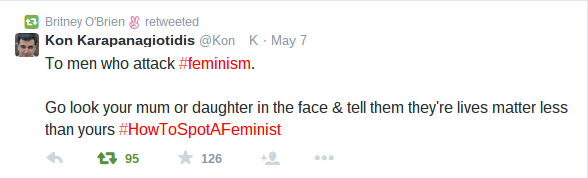
screenshot-twitter.com 2015-05-11 21-15-37.png

Even though it's great to see people become vocal on this topic, new issues have arisen as well. A couple weeks ago a high school suspended a girl over a moderately modest dress because “plus sized bodies must be fully covered” As seen in the image below, the girls dress covered her up really well besides some cleavage which is something she can't help because of her size. “ #IAmMoreThanADistraction” is what I want to hear people like her say and share on social media. I want people to become aware that's it's wrong to shame women for their attire and their bodies. She can't change herself, so why should she be punished?plus sized dress.jpg

Earlier this week I sent out a survey on feminism with questions like “do you know what feminism is?” and “do you believe that genders are currently equal”. My results were something I expected, but still shocked me as well. 5 out of the 26 people I surveyed said they did not know what feminism was, and 4 out of the 5 people were males between the ages 14-15. 12 out of 26 people who took the survey said they dont believe theres gender equality, and unsurprisingly they were mostly women. For that exact same question, 3 out of the 26 people who were surveyed (excluding the 12 who said genders are not equal) said they are not sure. 2 out of the 3 were males. These results show me that many men are unaware of feminism, and is probably why they don't fight for it. My goal is to try to spread awareness and educate everyone, of all ages and genders, about feminism.


These results made me feel more aware of my own topic. This shows me that even though this is a topic i'm passionate about, I could still learn more about it. For my agent of change project I want to spread the hashtag #IamMoreThanADistraction all over social media, and to take photographs of girls and women with labels written on them so I can make digital posters for people to post on their social media with the hashtag.


CLICK HERE FOR BIBLIOGRAPHY!!!
1 Comment

Amy Zeller's Class

Posted by Elani Gonzalez-Ortiz in English 1 - Giknis - A on Monday, May 11, 2015 at 9:52 pm

My You and the World project is Discrimination and Stereotypes between Work and Education with a disability. I want people to know that words hurt for everyone. People often discriminate people with disabilities thinking that they can’t do anything but they are so wrong. In my Blog Post#1 I focused more so on the discrimination of people with disabilities. During that Blog Post is when I really figured out what I want to do.

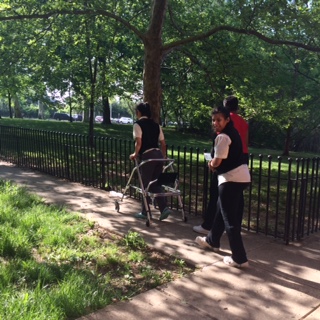
For my original research I went to Edison Ferreira High School. They generously let me observe and interact in one of their special education classes. I had the wonderful opportunity to be in Amy Zeller’s classroom. They only had a about 5 high school students in her class. Amy Zeller is a phenomenal person and teacher. She cares about her students and treats them the way the should be treated.  She treats them with respect and never tells them they can’t achieve something.

IMG_4737.JPG

This is a picture of two students going to the garden.

I learned that all you need is patience, patience is the key to getting through to these students. Yea sometimes you might get frustrated but you have to keep trying, the students deserve it. I know that I don’t really have experience but I witnessed people with experience and I saw the patience that the teachers had. The students I were with were so nice and inspiring. They never gave up on anything and when they messed up they tried and tried until they got it right.


IMG_4735.JPG

This is a picture of a student outside.

The students have a routine.

  • Monday is the day to clean.

  • Tuesday is the day to cook.

  • Wednesday is vocational training.

  • Thursday is community outing day.

  • Friday  recreational / Leisure / Art.


    When I went to visit the class it was a Friday. That day was a special day because they had a different schedule, they went to Walmart and Lowes. When I was talking to Amy she said that when they go out they teach the students how to act when they are outside in public settings. They went to Walmart to buy bags for Mother’s day presents and to Lowes for flowers. They bought pink flowers for the mothers and other flowers for a memorial. That day they also cooked. They went to the garden and picked mint and also chopped up cucumber and zucchini. The students that are in the special education programs learn life skills.

    I learned that the states allow students who have a disability to stay in school till they are 21. The dropout rate for a student with a disability is twice than an average student. In Ms.Zeller’s class the students’’ age averaged between 18-20. They all plan to stay until the age 21. Why is this school different from any other school? That I do not know but I do know that the students I saw were happy. When I talked to them they said they enjoyed school. Some girl even refused to leave at home. School is their second home and that is how school should be.

Check out my bibliography here!


Be the first to comment.

The glass era

Posted by Jamie Polson in English 1 - Giknis - A on Monday, May 11, 2015 at 9:42 pm

​In my first blog post I talk about how to much screen time before bed can lead to difficulty in getting to sleep depending on how long you are using or watching the device.  A Study showed that teens who spend an hour on their screens before bed usually take an hour to get to bed.  I also talked about how teens who play violent video games after a while even if they don't start out this way tend to get more violent and aggressive because of what the game is showing them.  I discussed how tv shows give kids a biased perspective on life and how things should or should not be.  For instance if you watch a news program a lot they would probably have a lot of sad and depressing news.  


For my original research I interviewed lots of classmates like Elias, Johny, Kara, Fabian, Jorin, Alexa, Elani, Sandra, Java,Mehki, Eli, Obie,


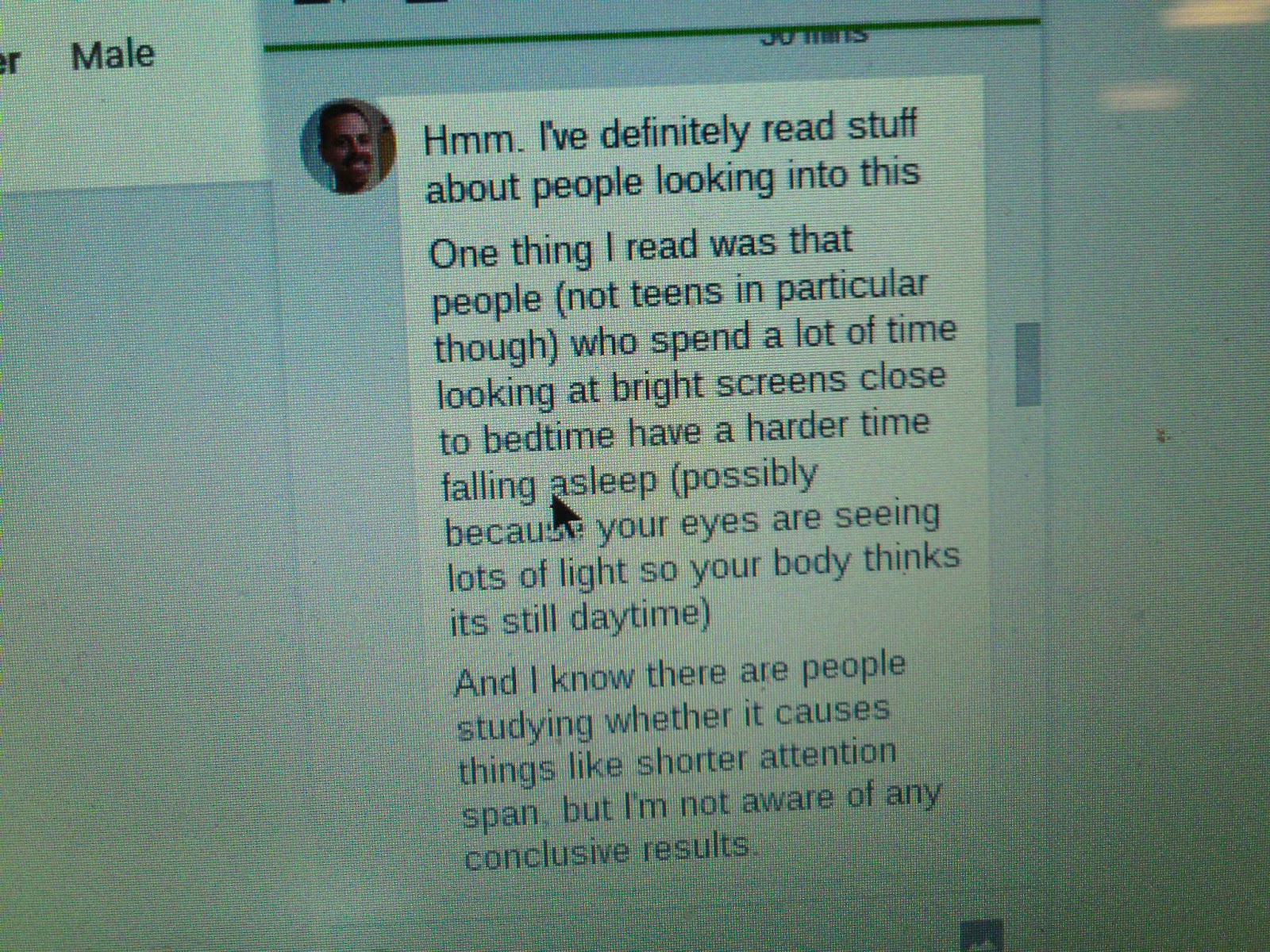
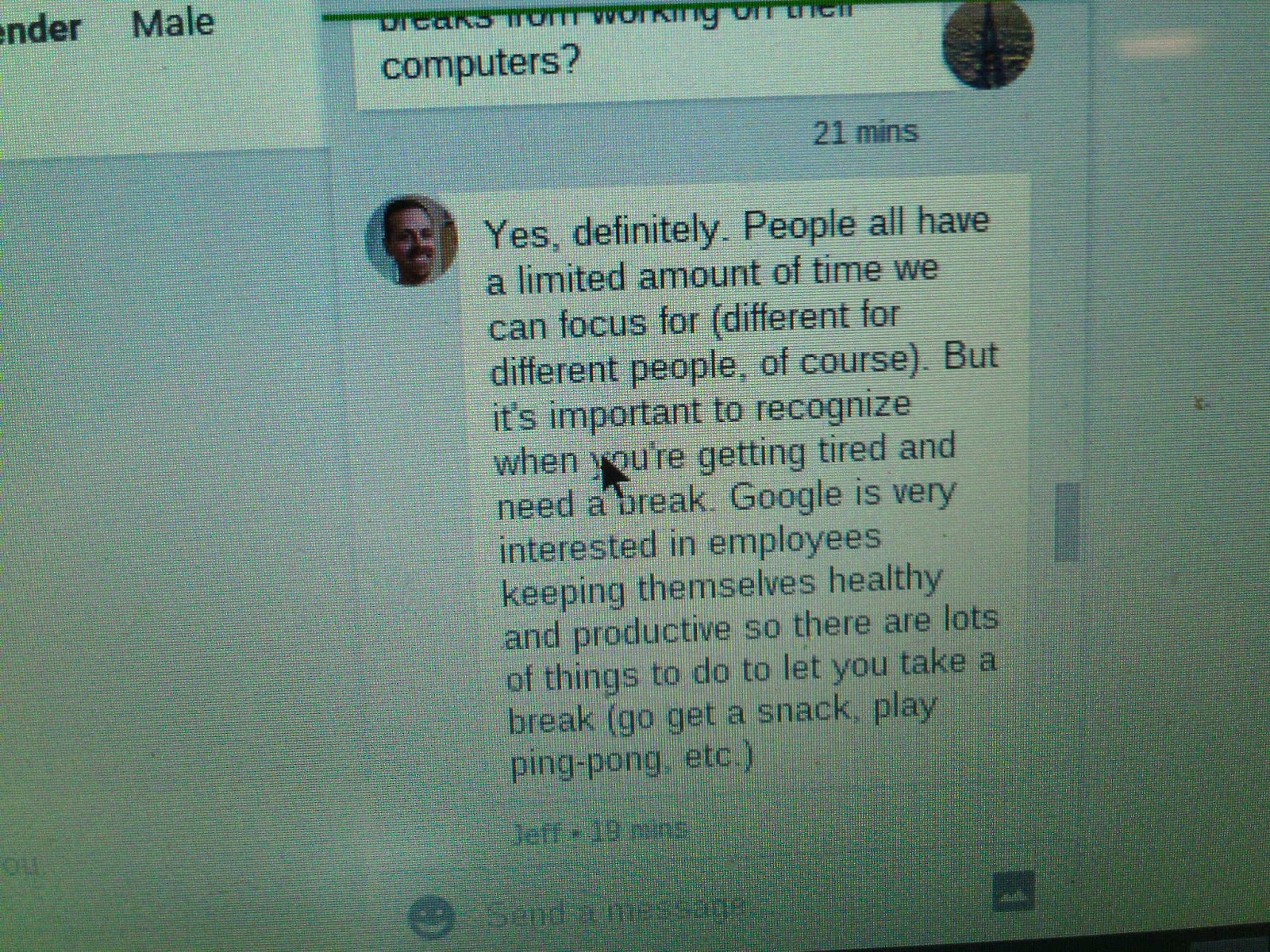
I interviewd these people to ask them sort about their daily lives and how they interact with screens.  I also interviewed a man named Jeff Adams who works for Google specifically Google Maps.


This hyperlink is snapshots of the conversation I had with Jeff)


My personal opinion is that screens themselves are not the issue it’s how we use them that's the issue.  Say I watch TV for an hour a day and use the computer for 30 minutes a day that would be fine that is barely any time at all, unfortunately that is not the case for most teenagers.  I think the general vibe is if it’s made it’s better and “I” need to update my old device.  Teens will look for any exuse to get a new phone not even if they want it but because it’s made makes you want have the earge to get it, so you look for every small detail wrong with your current phone and say that the new phone doesn’t have those so you get it.  You get even though there absolutely no difference from your old phone to the new phone. Now I don’t actually have an Iphone so I can’t speak to this example but I am sure that plenty of you would agree.  I would say I agree that many of parents decisions to cut their child's screen time however I had a discussion with my brother in April and he was defending screens using teens and brought up many interesting points; such as if a person [teen] is being forced into a conversation where they know the people will not take their side of course they are going to want to talk to their friends because their friends will support that person.  I agree with this statement somewhat however if you know someone is not going to take your side that is a debate right there and that could be fun.  I have a cousin who before he is a teenager spends more time on video games in one day than I have probably in my life.  I am quite worried for him because he can finish a whole DS or XBOX game in half a day.  Whenever we go to visit him I usually babysit him and we usually end up playing role playing games taht are about whatever game he finished that day and it usually ends up with me being killed or injured in some way because I like to play out my part.  

Screens are good sometimes to good you should moderate yourself when using them even if it is a school project.   


I have personal experience with sleep deprovision aspect of the effect of screens on teens before bed because I always watch videos on youtube and finish my homework before bed.


I am curious about  gorilla glass I know some about it but I would be fasinated to see how it is made.     


This is a hyperlink to y annotated bibliography


Be the first to comment.

Stereotypes: Where do they Begin? Post #2

Posted by J'Lynn Matthews in English 1 - Giknis - A on Monday, May 11, 2015 at 9:22 pm

My first Blog Post explained the meaning of a stereotype and how its purpose invaded the lives of youth. If it was not clear the reason I chose this topic was to address the issue of stereotypes being presented to the youth. The remaining question was how do stereotypes evolve? When it came time for me to collect original research I was not sure of what I wanted to do. Surveys, tests, and interviews were few of my ideas. The fastest and easiest thing to do was a survey. When I made the survey I made sure to ask questions about information I needed. I also thought about information that I have read online about this topic. I needed to make sure that I could compare and contrast my original research to information I have gathered from online resources.


stereotype
stereotype

Information I have gathered from my original research indicated that youth are aware of stereotypes and some are bothered by them. When asked “have you ever heard a stereotype?” 100% of people answered “yes”.


For my original research I have conducted a survey. This survey was sent to the 9th and the 11th grade class of SLA. It included a question asking for a personal definition of the word stereotype. More than twenty people took the survey and majority ruled that stereotypes were “false statements that are generalized or expected out of a certain group of people.” Sources from the internet concluded that a stereotype was an “over generalized belief about a particular group or class of people”. I and a few others and definitely agree that these two definitions are pretty similar. The results have also shown that majority of stereotypes witnessed were portrayed in Reality/Public which includes social media. Since my last post, I have also found that 91.3% of the people that took my survey make use of stereotypes.

I think doing a survey was the best choice to do. Doing a survey allowed me to collect a lot of information that helped me understand that majority of youth are aware of stereotypes. Even though 91.3% of people said they make use of stereotypes, 83.4% of people said that they were bothered by them. I believe that people are unaware of their wrong-doing until they are pointed out to them. If you do not want anyone stereotyping you, then you should not stereotype anyone else.

Annotated Bibliography


Be the first to comment.

The Teenage Struggle, Life is so Hard #2

Posted by Semaj Dukes-Smith in English 1 - Giknis - A on Monday, May 11, 2015 at 8:31 pm

So as before I go over the stuff that I want to talk about in this second blog post, I am going to do a quick recap of the important points that were brought up in the blog post #1.

In the first blog post (which by the way you can check out here) the main things that I went over were things like teenage stress levels by the percentages which shown to be higher than those in adults, a brief summary of why stress really comes in to anyone’s life, and an explanation of what the project for the class was about. These were the main points that I brought up in the blog post #1, if you want to see them more in detail you can always just check it out from the link above.

IMG_2767.JPG

This is an image of a student (me) who is playing the role of a person who supposed to be very stressed about something that is school related.


From the time that I posted my blog post one I have learned in more detail a lot of the triggers that cause teen stress and I feel as though I saw a pattern in my research. What I learned is that the number one trigger that causes stress amongst teens is more likely than not something that is school related, which does have a large range of things that can span from. It can be from things that directly connect to school work as shown in the image below. And I know because I have seen this kind of thing go on in front of my own eyes. It typically happens in a situation when someone gets a grade that themselves or parents are not thrilled about so they stress over it.

But what also could be school related socially connected things, this range can range from things like not having any friends in school, or having people bully you in school or things like that. Now this is actually a really big problem because there are a lot of teens who commit suicide every year for being bullied and things in that general area. And a lot of cause of teenage suicide are things like: failing big exams, breaking up with boyfriend/girlfriend and the last thing I want to bring up is family issues.


Having problems at home can take a big toll of someone live not even talking about just teenagers, but humans in general and I would be able to tell you since I experience it first hand in my own life. Problems at home are just as important as problems that you may face at school. If you are person who is living in a steady and reliable home but you have things under control at school, you will probably have much less to deal with mentally than someone who is having problems at home and at school. And to be honest, they affect each other.


But the last thing that I want to talk about is some original research that I have done myself and a bit of stuff that that I have been reading about in articles. So what I did was sent out a survey to my fellow ninth grade peers in my english class.  So with the survey results I got back some information like this.


This is showing the responses of what people said that was the main cause of their stress. The information in percentages is: 88% of people said it was school related, 46% said that is was something home related, and 50% said that it is caused by something socially related. So with this information it is clear where the main sources of problems start to filter in, and honestly it is not surprising. The amount of stuff that people have to deal with in high school can be a bit overwhelming. But I have more information as well, I have the responses from my survey that tell what people do mainly to help them deal with their stress and the percentages will be as shown.


Listen to music- 3%


Take Deep Breathes- 6%


Play with: Friends/Pets/Family - 16%


Play Video Games / Get on Social Media/ Listen to music  etc - 20%


Just work through everything they need to do - 3%


Step Away from everything - 6%


Work Out - 3%


Sleep - 13%


Cry - 3%


Play a sport/ - 10%


Punch Something - 6%


This is a very widespread amount of information all in one place, however it seems like the top things that people do to deal with stress are: Play Video Games / Get on Social Media/ Listen to music etc, and Play with: Friends/Pets/Family. Now with this information, people who go under some kind of stress, (which 50% of people say happen to them on the day to day) these are some things people could try out to try and not be stressed anymore.

So in conclusion what I want to do in the future for something like my agent of change project is find out ways where I can push out some of those ways to deal with stress to the public.


To see my annotated bibliography click here.

My Survey Can be take here


Be the first to comment.

Sex Trafficking 2.0

Posted by Siani Davis in English 1 - Giknis - A on Monday, May 11, 2015 at 8:02 pm

In Blog Post #1, I have written about the general definition of what my topic is, Sex Trafficking. I stated my findings on the matter, specifically: statistics on the occurrence of the issue, and also ways this concern could be prevented.

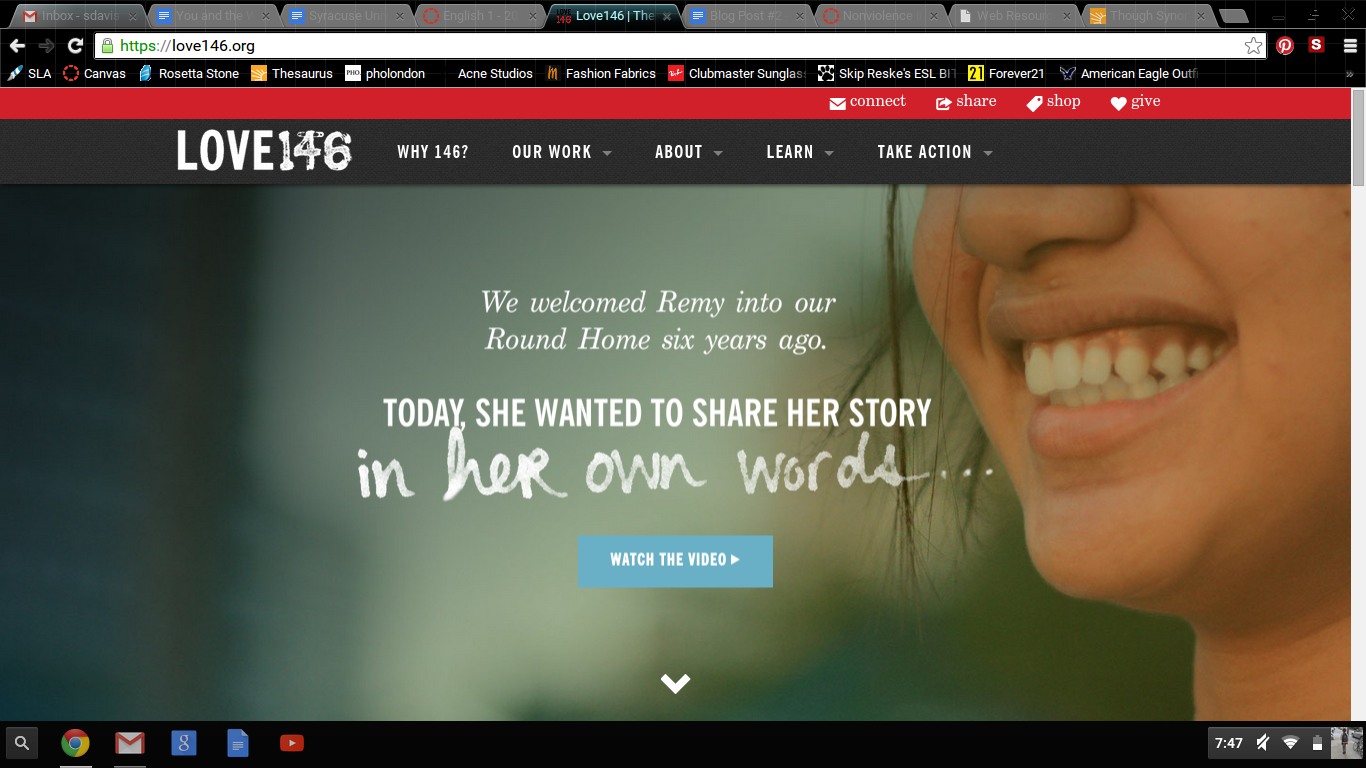
I have recently discovered this organization in which deals with sex trafficking victims up close. They listen to their personal encounters and help them move past it. This is their website, and I genuinely recommend that you check it out. Thankfully, I have gotten the chance to interview a member, as well as explore their website in great depth, and received amazingly informational responses. I decided to do an interview for my original research. My previous research had to do with personal encounters from victims of sex trafficking, therefore doing an interview with someone that is an expert in the area gave me further insight on the issue. The interview went as so:


What connection or involvement do you have with child trafficking?

The organization I am apart of mainly focuses on listening. They listen to survivors of sex trafficking. Members say “We’re particularly focused on understanding patterns of vulnerability and successful reintegration of survivors.”


In your experience, can you tell me what the typical age of someone that is exploited to this is?

The typical age of someone that is exploited to this ranges from the age of 18 and under.


Who do you think the typical recruiter is? A male or female, stranger or friend?

On their website it states “Too often the stories we hear involve pastors, diplomats, youth leaders, law enforcement, and educators—perpetrating unspeakable crimes against children, using their power and connections as protection and facade. They come from various walks of life.”


People doing the recruiting, do they most likely get the victims through kidnapping, false promises, or by taking advantage of the family because they are poor?

“Most often, children are trafficked through vulnerabilities.”


Once the victims are in the process, do you think they feel as though there is no way out, in your experiences?

What do you think are the long term effects of a victim who later runs away or is rescued?

The long term effects of a victim who is rescued, based on their experiences involve: “Drug and Alcohol Dependencies, Depression and Anxiety, Revictimization, Unplanned Pregnancy, Health Complications, Addiction to Money, Trauma Bonds and Stockholm Syndrome” and many more.

The process for conducting this interview was not easy though. I have in total contacted three people who I thought could help me get through this action. The first expert organization I contacted responded to me quickly, which I was excited about, though saying that they could not fulfill my needs and actually were too busy to be interviewed. The second person I contacted, yet not an expert, knew more information on the topic then them regular person, things did not work out. After this, I was stuck for a long while trying to find someone else to contact and I ended up finding an organization in which I happened to feel very passionate about. After looking through their site, I contacted them and got great results in which I have shared previously.

Some things I am still left wondering about after I have conducted an interview along with the research I have done is how effective are these organizations towards the victims and how many organizations are actually out there and aware of this issue. I also am curious of finding out the locations of these organizations and if there are these people trying to help right in the area of the trafficking. And I expect to find this out in further research.

My plan for bringing awareness to this issue is to make stickers and/or posters containing statistics of some sort of Sex Trafficking. I intend to post these throughout the city and possibly around the school to attract a wider range of people. These stickers/posters will also be promoting the organization I have showed to you today in this blog post.


This is the front cover of the organization that I got results from for the interview > website

Image of a rejection to an interview email
Annotated Bibliography

Be the first to comment.

Internal Affairs : Investigated (Blog Post #2)

Posted by Lydia Anderson in English 1 - Giknis - A on Monday, May 11, 2015 at 7:13 pm


Haven't read post #1? what are ya doing? click here to read it


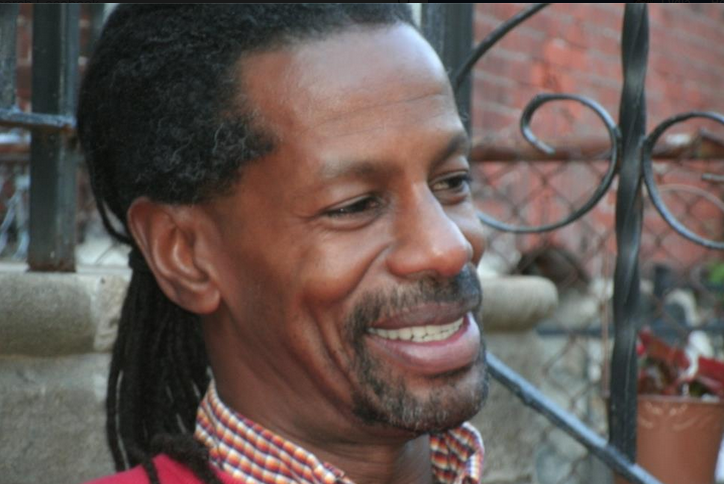
 In my journeys into finding out more about the ever so secret investigations of Internal Affairs, I decided to interview Kelvyn Anderson, the acting director of the Police Advisory Commission to have a frank and honest talk about the issues of the Philadelphia Police Department.

Screenshot 2015-05-11 at 6.58.49 PM.png

Kelvyn Anderson Executive Director of the Police Advisory Commission 
 

Mr.Anderson : Hi I'm Kelvyn Anderson I am the Executive Director of the Police Advisory Commission  In Philadelphia


Lydia: How many complaints a year are made to your organization?

Mr.Anderson :  There are approximately 1,000 or so complaints citizens complaints that are filed against the Philadelphia Police Department  annually. That not only includes complaints filed with my organization but also with the Police Department as well.


Lydia: So you would say Police Misconduct is a problem in Philadelphia?

Mr.Anderson: It's an issue in any city in America as a question of how we define what misconduct is and what we intend to do about it


Lydia: What types of complaints are made?

Mr.Anderson : Complaints are usually divided into a couple of broad categories. A Psychical Abuse complaint would be a complaint where an officer used some type of force that caused an injury to the victim. Whether that be a shooting, some other type of psychic confrontation between an officer or a citizen. The other types of complaints include complaints that are called Abuse of Authority. Which the person says that the officer did something in some instances did not do something required by the authority that police officers are given. So yeah Psychical Abuse complaints and Abuse of Authority complaints and those make up the bulk of the complaints we receive from citizens.


Lydia : What is done to investigate these complaints?


Mr.Anderson. : If a citizen files a complaint with our agency or Internal Affairs an investigation is conducted usually consists of taking a statement from the person. If there are other relevant documents that show the situation the person is in such as police reports or surveillance video all sorts of information. Interviews with people who were at the scene. We try to see that a thorough investigation is conducted into the person's complaint.


Lydia : What are some limits to the authority of your organization?

Mr. Anderson: Commission is a civilian oversight agency which means that most agencies like ours don't have the power to actually investigate. We can only make recommendations to take certain actions.


Lydia: Has the city taken any action to help further your Organization?

Mr.Anderson:  Recently some reports from the federal government and commissions that the Police Commissioner Mr. Ramsey have made recommendations in empowering agencies like the Police Advisory Commission. So I think you're going to see other commissions in other cities in the country deal with issues. Not only misconduct and generally how we define what policing is in our country.


Lydia : How many Police Officers actually receive punishments for their actions?

Mr. Anderson: That number is usually lower than complaints actually filed. That depends in large part on the type of complaint. Often it's an officers word against a citizens word. Those type of situations get revised in some neutral way. It's a sustained complaint which means you don't have enough information to prove what the citizen says or what the police officer says. But now that we are going to start to have body cameras some of that will change .


Lydia : What is the process of an Internal Affairs Investigation?

Mr. Anderson: Internal Affairs has a wider authority my agency does in respect to citizens complaints other types of incidents involving police officers. Internal Affairs investigations run from shootings to more traditional types of complaints which we also handle Abuse complaints or verbal abuse complains. Verbal abuse complaints is another category I forgot to mention earlier.


Having gotten information from Mr.Anderson, I wanted to hear the side of the Police Department. I reached out to a friend of mine so I could interview her mother. She responded with that she would ask but I never heard any further than that. So I looked over the internet to find interviews in which any officer in Philadelphia mentioned a change in the handling of affairs.


In my search I found a Philly.com article on the subject. Charles_Ramsey_600.jpg

Police Commissioner Charles Ramsey


"We need to get the complaints. We need to be able to do a thorough and complete investigation and let the cards fall where they may," Ramsey said. "I will definitely deal with these five [districts] in the meantime, we have reinforced with our personnel that if a person wants to make a complaint against a police officer, give them the form.”


However the Commissioner in a Metro News Article exposed to have been “quietly beefing up Internal Affairs” . He was quoted to have said, “It’s just for the good of the department. The bottom line is if there’s an allegation against an officer, we have an obligation both to the public and the officers accused to have it resolved as quickly and as thoroughly as we can,.”


hqdefault.jpg

Puerto Rican Day Parade screenshot

Do any of you remember the Police officer from the Puerto Rican Day Parade who punched a woman? After the public quieted down, he was rehired in the PPD. So are Philly's citizens really getting their fair trial with internal affairs investigating these claims?

For my Agent of Change, I will be hitting home at SLA and giving Red Stream the facts of the Philadelphia Police Department in a detailed presentation.

Annotated Bibliography (New sources)

1 Comment

Helping Instead of Torturing

Posted by Fabian Colón in English 1 - Giknis - A on Monday, May 11, 2015 at 6:06 pm

In my Blog Post, I introduced my topic for the “You and The World” project. It is about animal abuse. I mentioned my experiences on the animal abuse topic and included online research and informational facts about abused animals. I talked about an animal in my Blog Post #1 named Lincoln who was brought to a high-Kill shelter. On 5/10/15, I visited the SPCA center on Erie Ave PA 19134. This building is a no-kill shelter. A no-kill shelter means the shelter does not “put down” animals to make more room, or doesn't have the rule, “If this animal does not get adopted in “a certain amount of time” it will be “put down”, or does not “put down sick or injured animals.” A high-kill shelter is the opposite of a no-kill shelter. On 5/10/15 I have learned a lot about the topic of animal abuse from the Paws building and the SPCA. My tour guide has sent me a slide about their information on animals and abused dogs. I have learned that some animal shelters do not rescue their animals themselves. Instead, they receive the animals from an animal control team. If not for shelters like Paws, who receive their animals, most animals would be “put down.” For my original research, I decided to do an interview and a field observation. I have recorded my Interview, I have come up with these questions:

Do you  work with abused animals?If so, what is your specific job?


Have any abused animals come in recently?


What is the average amount of abused animal coming in?


What is the ASPCA doing to prevent animal abuse?


How do abused animals act once they are in the aspca building?


Do you think that a little discipline is necessary?


How long does it take for an animal to get used to the facility?


Do owners bring in their abused animals or do bystanders bring them in? Or is there a team from aspca who go out and search for signs of abusement and or abused animals?


For my Field Observation I received a tour from Jennifer Johnston, a SPCA worker. Also visited a PAWS- Philadelphia Animal Welfare Society building.


mmm.jpg

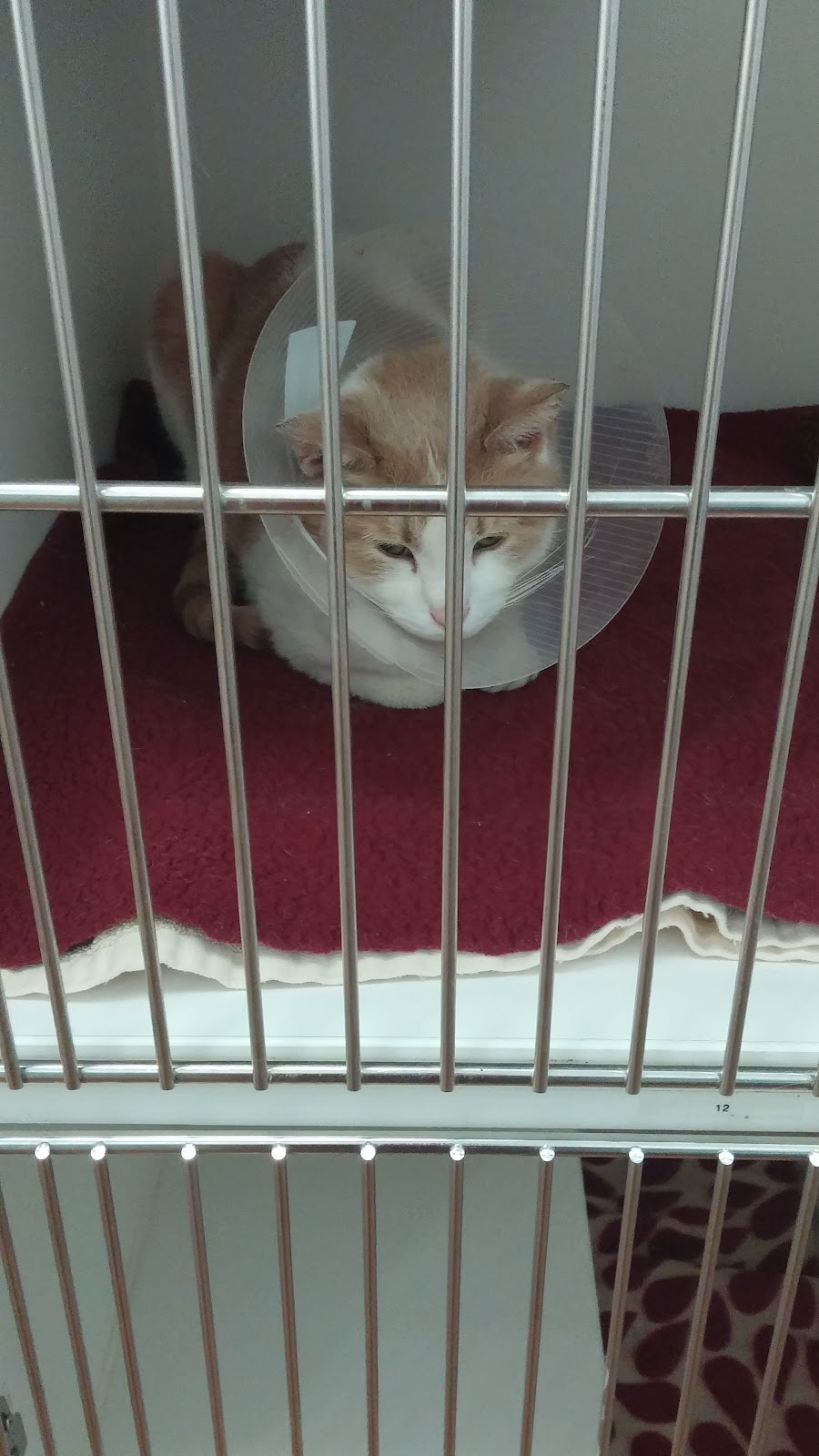
                                                                                             This is Peanut Butter, Peanut Butter now is now paws with an ear infection, The animal control group does not support injured animals, if Paws did not save him he would have been put down. Now in better hands, paws have nurtured him and put a dog cone on him so he does not scratch his infected ear.


mm.jpg


This is Robin, Robin has an eye infection, He was rescued from the animal control group. When he came into Paws both of his eyes were swollen shut and covered in gunk. He was kept in the back until he has healed. Two days ago today (5-9-15) he came out into the open, but he is extremely shy because he wasn't used to the attention. Also, he is afraid with all the dogs barking.


mmmmm.jpgv.jpg

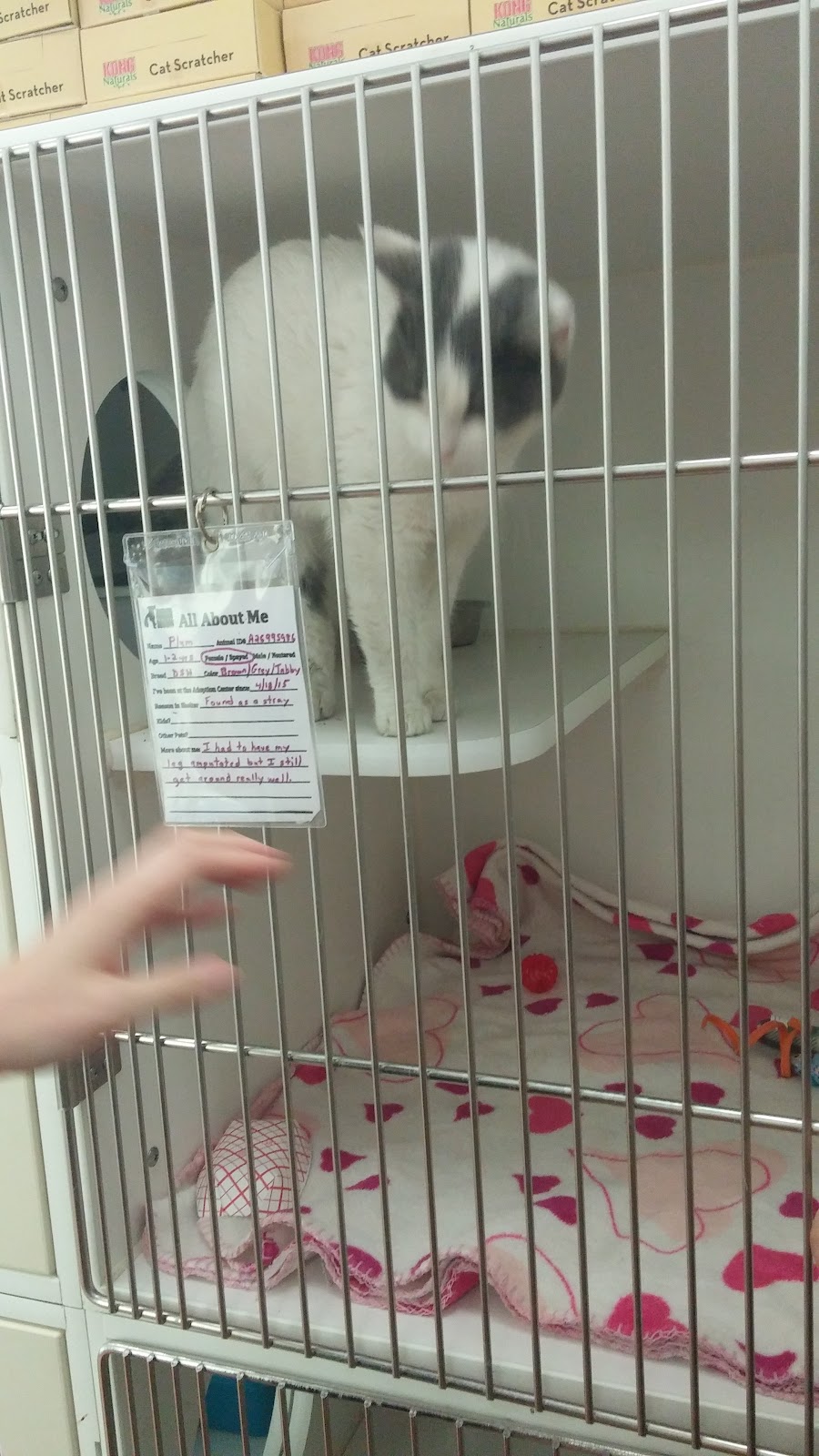
Plum was found caught in a fence, on April 15th she needed surgery to cut of her leg. She is now in the Paws- Philadelphia Animal Welfare Society. If Paws did not help Plum, The animal Control group would not bother to heal or care for her.


At the SPCA building, I was given a tour. I took recordings of our conversation and videos of parts of the facility. My original research helped inform me on my issue from the specific animals I have met and the interview. I have learned about how SPCA gets animals and how they react in the buildings. I now understand more about what animal shelters to to prevent abuse and what they do to treat them. My personal Opinion is about the animal shelters and animal control groups and animal mills. I think the animal mills and controls group should be illegal, what is the point of having a storage for animals where they are starved and caged. But I think the animal shelters are doing there best at keeping animals safe and healthy. I think they have the right idea on helping the poor animals who don't have a right to say what happens to them. I am still left wondering about what drives people to abuse animals and when and why do they get a thought to. Do they enjoy injuring animals? For my Agent of Change, I am thinking of doing some sort of teaching lesson where I would go to schools and day camps and teach children/teenagers about my issue and show them the right way to treat animals.


All of my online research is in my Annotated Bibliography.


Be the first to comment.

Starting to Make a Difference

Posted by Elizabeth Burrows in English 1 - Giknis - A on Monday, May 11, 2015 at 12:54 pm

After learning many startling numbers, and scary facts about gun control from my first blog post, I began to wonder about what further research I could do, to look at a different view of this. I started thinking a lot about gun control, and what I could use what was right in front of me all along. I did some further research, and found that over the years, that teens usage of firearms have been increasing. With that said, it brought me to a question, if more teens began to get involved in these sorts of incidents, maybe they don’t know what they are really in for. In our “You and the World Project”, we have to make our own difference, and do our own research, so in that case, let me tell you what I did. The fact that I am focusing my project on a younger audience, I found my myself in the best place to do my own research. Surrounding by teenagers, from all different backgrounds, exposed to a variety of different things, I made a survey about gun control.

Screenshot 2015-05-11 at 12.37.13 PM.png
Here is an image of my survey that I made for my original research.


I had a variety of questions, asking if they knew what control was, and they opinions on the use of guns. One of the questions I asked was what they thought of when they hear the word, “gun”, and all where answered with something violent, and nothing that would make you feel good. I also was surprised with the data I got. Almost all of the responses I got said they were aware of what gun control was, but then many did say that can are and can be safe. So my results where a very interesting mixture of rights and wrongs. Although I found a wide variety of responses, I did notice one thing. The majority of said that they did have a personal experience with a gun, whether it was a family member, or even first hand. Many of the responses were startling, and upsetting to know that so many of my fellow peers have experienced such upsetting accidents all because of a gun. After doing my own research, I started to think about how I could make my voice heard, and have people think about this issue. Then I realized that because I was focusing on teens, I should use the tactic of spreading the word on social media, and making posters to grab their attention. I don’t want to attack them, or bore them with a not so interesting presentation, so I am deciding on grabbing peoples attention by making posters and putting them around my school and the city. I think I might make an original design, and include facts about gun control to make people think and to grab their attention. Hopefully if people see my posters, they can share it on social media, and maybe use a hash-tag I provide it with, and maybe, if I end up getting the outcome I want it will go viral. Hopefully my adventure continues to move smoothly, and I can transfer into a real agent of change by making a difference in my project.  

To read my first Blog Post, click here!

To read my bibliography, click here!


Be the first to comment.

Misunderstood Kids

Posted by Sydney Montgomery in English 1 - Giknis - A on Monday, May 11, 2015 at 12:19 pm

I decided to do my project on misunderstood kids who also might struggle with Social Anxiety and Depression. This topic is something that people that many know about but don’t understand. Often times kids are judged, mistreated, and left out of things simply because people can’t comprehend what they are going through or how they feel. Sometimes jokingly calling a friend “ugly” or “fat” can mean a lot more than what you think of it. I really want to reach out to people regarding this subject because social anxiety and depression are both things I struggle with and also something people should be more aware about. This is significant because others don’t realize how much the things they do or say affect others. It is important for people to know this because this has ruined people’s lives.

People often mistake anxiety as people just complaining about things when in reality they’re just
scared. Of course I want to go out in public with my friends, but with thoughts holding me back it’s like being in the ocean and you’re the only one who can’t breathe. When you struggle with anxiety, you don’t think these thoughts because you want to. You can’t help it. The same thing goes for depression. No one wants to have crying spell after crying spell and hide in the bathrooms at school in fear of people  questioning. All anyone ever does anymore is judge people things based off little to no information on the situation. Depression isn’t just something people say they have for attention. It is and actual medical condition that people actually have to get treated for. It isn’t just a random feeling you have from time to  time. It comes from a chemical imbalance in the brain. A lack of serotonin, norepinephrine and dopamine  can cause major depression episodes and can easily be treated with a Serotonin Reuptake Inhibitor which can also treat anxiety. It’s time that we get the word out there about this Mental Illnesses and save lives. 

People shouldn’t have to lose out on friendships and opportunities because of an illness they can’t help. It’s
time for a change and I want to be a part of it.
Be the first to comment.
98 posts:
← Prev
  1. 1
  2. 2
  3. 3
  4. 4
  5. 5
  6. 6
  7. 7
  8. 8
  9. 9
  10. 10
Next →
RSS

ENG1-017

Term
2014-15

Other Websites

Launch Canvas

Blog Tags

  • English 2
  • You and the World 2
  • Giknis 2

Teacher

  • Amal Giknis
Slate (skeleton-v3 PHP 8 prototype) · Location: 1482 Green St · Shipping: 550 N. Broad St Suite 202 · Philadelphia, PA 19130 · (215) 400-7830 (phone)
×

Log In