• Log In
  • Log In
Slate (skeleton-v3 PHP 8 prototype)
Slate (skeleton-v3 PHP 8 prototype) Learn · Create · Lead
  • Students
    • Mission and Vision
  • Parents
  • Community
    • Mission and Vision
  • Calendar

English 1 - Giknis - A Public Feed

Create a Post

Immigration: A Vortex of Confusion

Posted by Lyle Seitz in English 1 - Giknis - A on Tuesday, May 12, 2015 at 7:39 pm

After beginning my research on immigration and explaining what problems immigrants have with coming to the United States and becoming citizens in my first blog post, I needed to dive deeper into the confusion. I needed to get other perspectives on the issue, and see what I could learn. I decided that I should interview someone who actually experienced immigration to the United States, and someone who has a legal point of view towards the subject.

First I interviewed Jhazzelle Majarucon, an immigrant from the Philippines. She told me that the way she became a resident was because her mother submitted a petition for her and her sister, meaning that she could choose a family member that she wanted to bring to the United States. There was a big difference between the two countries, and she had to become accustomed to the different culture. The technological differences were major, as well as the way Americans treated each other. Jhazzelle points out that “In the Philippines it is accustom for people to kiss each other on the cheek when they greet one another.” While here most people don’t do that, and she had to transition the way she would live her life. Though the transition was not very difficult for her, Jhazzelle still had to find her way.


Image of interviewee, Jhazzelle Majarucon


Second I interviewed Andrea Freiberger, a worker for the USCIS (U.S. Citizenship and Immigration Services) granting immigration benefits, such as green cards and citizenship. I asked her some questions concerning the issues with Immigration law, and the making of laws. I asked her what the most common arguments against immigration are, and she responded by saying “The most common issue that people have a problem with is allowing people who are in the United States without legal status stay and become citizens.  One argument against allowing this is that those people who came illegally broke the rules and shouldn't be rewarded for doing so. For example, there are very long waiting lines for certain visas, and it is hard for someone who has patiently waited for 10 years to come to the United States with lawful status see someone else ‘cut in line’ and be given lawful status for entering when he or she felt like it.” Her answers opened my eyes to see why it is that people in the United States (a country made of immigrants) is so opposed to seeing immigrants enter our country.

Finally, I asked what a ninth grader like me could do to get involved in the community, and make a change. She answered by saying that there is still so much that needs to happen, and that the best way to get involved is by getting in touch with an organization that handles new immigrants, or to work on spreading the word, and letting people know about this issue. Now I am working to find an organization in the greater Philadelphia area that handles immigration, and will let a fifteen year old work for them.


This is a Ted talk where Tan Le talks about her Immigration story

Check out my annotated bibliography  


Be the first to comment.

Unchain The Voice #2

Posted by Sandra Watson in English 1 - Giknis - A on Tuesday, May 12, 2015 at 9:08 am

In my first blog post, I talked about how you unchain your voice and the difference between snitching and speaking out . I addressed how the term snitching comes along and how it makes people feel. Through the research I made in the first blog post, I went though the steps  to snitching, to speaking out, to understand how to actually doing it.

Since my first blog post, I have come over very interesting research. I was planning to do a survey.  I made the survey about 10 questions sent it out to about 30 people. I got one response. After the response, my survey stopped letting people submit. I did not know why. I thought maybe it was just a tech problem and tried to fix it but it did not work, so I had to take another approach. I did small interviews, I spoke to multiple people in red stream about snitching. Everyone mostly had the same opinion. Everyone thought that snitching and speaking out had been mixed up in their minds. Snitching to them is not okay but speaking out was okay. This was interesting to me that they actually often got the two mixed while speaking and asked me multiple times to stop the recorder just so they could actually think about the question they were answering. I think one out of the 6 or 7 people I interviewed actually had a lot of knowledge on the difference. This shows the lack of awareness these kids have on the issue and that no one has brought it up as an issue. Some kids did not want to learn more about it, ome kids wanted to hear more. The kids that did not want to learn more about the topic were the people who knew less about it which I found very interesting.


A rapper was interviewed on YouTube about 2 years ago, and he talked about his experience in prison and snitching. He said that ¨The problem is now that to many people snitch, if people kept their mouths closed than it would be no problem,¨ is this how we are supposed to think. Snitching is to benefit others. It gives them justice that not suppose to be deserved. Gossiping, snitching, speaking out are all different, but why do people around us get to decide which one is which. People do not think that snitching is cool. Snitching is equivalent to calling some one a rat, snake, etc. It is not some thing you want to be called but is it our right to desire this for some one else. In my research, I also found out that criminals and teens are the main targeted ones to the term snitching, Prisons are actually where the term originated from. Quoted from a psychiatrist, and case manager Robert Watson. So how did teens get the term? Just like generations people pass it on. Adults pass their knowledge on to us and if their education is correct, then so is ours. I found this out when interviewing these teens in red stream. Some of their information was incorrect but maybe it was from personal experience or maybe it was just from  their peers lack of education on the issue.

http://www.atlanticrecords.com/artists/meek-mill( would not let me hyperlink )

figure 1 : OT Genasis is a rapper from the recent music video produced called ¨coco" who also claims snitching is the main problem in the streets. 

Fore more information go to annotated bibliography.

https://docs.google.com/document/d/1RSp0soOeHaOvbzgvcQzmUPxivlfsdZqHWdGWOnRm9C8/edit

4 Comments

English Language Learners getting Bullied

Posted by Jorin Gerveni in English 1 - Giknis - A on Tuesday, May 12, 2015 at 12:05 am

Haven’t read my first blog? Do it now, just click here.


On my first blog post I introduced the topic I am still researching, ELL(English Language Learners) bullying. For this part of the project I went over to my old school where I interviewed one of my old teachers about my topic. This teacher was actually one of the first people to really help me understand what I was doing. He helped me understand everything I had trouble with and tackle harder books so it could improve my writing. My old school has a lot of ELLs and I figured they had experienced this problem. Click here to read the full interview.


What I found out during my interview is that a lot of students are made fun of the way the look or their accents and face lots of social struggles. ”Well, you know, all students get teased and made fun of as they grow up. This happens to everybody, but there’s a difference between being teased and getting bullied. English language learners are particularly vulnerable to being bullied because bullies generally try to target people that are maybe a little bit different or a little bit vulnerable, and ELLs qualify on both counts. They’re different because of the way they dress, the way they look, the way they talk and they’re vulnerable because their English isn't that good.” So the victim can’t speak up.

As I was doing more research on my topic, I came across this story about a Cuban girl who moved to America when she was eight with lots of excitement. She ended up being bullied because she was different. She went to school and kids made fun of her, put spiders under her desk and the teacher wouldn't do anything. She was hoping things would get better, but they didn't. She had no friends and got bullied even more. They insulted her and she was depressed. She went to a therapist and learned that bullies had their own problems. In high school she changed her outside to make her feel better on the inside. She made new friends and talked to more people. She I realized that she let the bullies take control of her emotions and locked herself in her own world of not speaking, not having friends, and wishing she was another person. Full story lies here.

I also learned that people haven’t talked about the bullying of the ELLs. There needs to be more articles written about that and more publicity about it so the people are aware that it’s a big problems. Here is one about bullying in race, ethnicity and immigration. It talks about the ways that the students are bullied and some ways you can prevent it at school.

post
post
Unfortunately, I couldn't get any pictures of me interviewing the person. But, this picture represents the other people protecting the one in the middle which is different than them. From this website
So, once again listen to my interview here. Read it here.

Annotated Bibliography
3 Comments

Labeling Women- Original Research Results

Posted by Kara Lazorko in English 1 - Giknis - A on Monday, May 11, 2015 at 11:06 pm

Blog Post #2


In my previous Blog Post, I introduced my topic about labeling women and the different issues women face with the issues at hand. This type of issue occurs in a lot of places, and I decided to mainly zoom in on places like school. I have learned that the labels attached to women do not have to be sexual to be offensive. Some new information I have found since my last post was that there was a commercial titled ¨ Labels Against Women¨ showing different kinds of titles given to a man vs a woman in the business career. It was backing up the point I made in my recent blog post about how men doing a certain thing and being praised for it. On the other hand, when the women would do the same exact thing as the men did, they were only shamed for it.

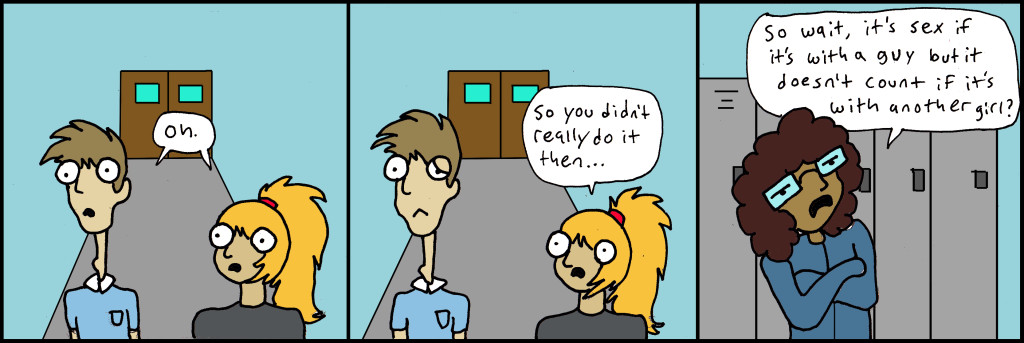
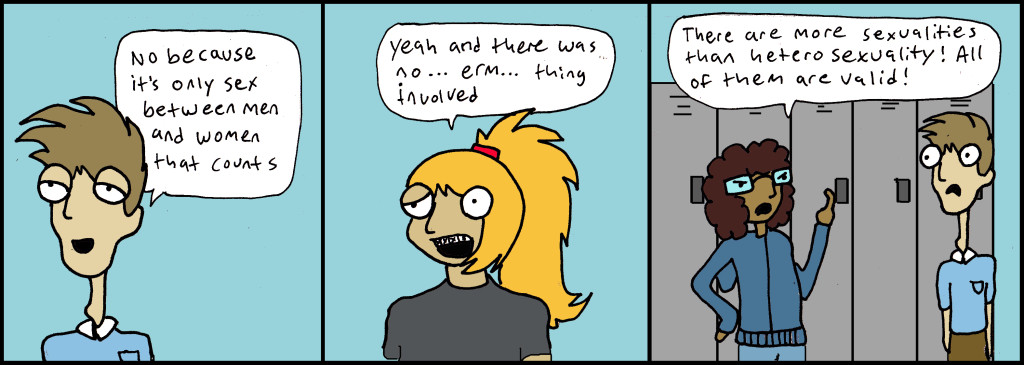
Another thing that had seemed to catch my attention, was a comic like article about sexual labels. As I said before, not all labels given have to be sexual to be offensive, but in this case this comic showed a very detailed example of some. It was proving the fact wrong that any sexual relationship has to be between a man and a women in order for it to count as sex.

highschool final 3

highschool final 4


Two images shown above: Early on the young lady was talking about having a sexual relationship with another female, and it was questioned, because ¨it does not count" unless it is between a woman and a man.

http://everydayfeminism.com/2015/05/stop-policing-sexuality/


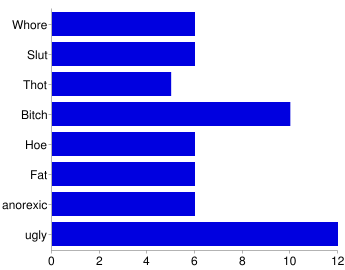
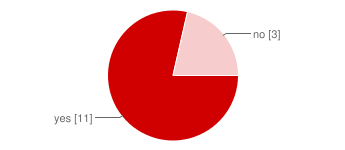
For my original research, I decided to send out a survey to a good amount of females in the school. Not every female took it, but based off the information I got some varied results. For the survey , I asked whether the females taking it have ever been labeled, and I gave them some very popular labels to choose from, if so. Not only did I want to know what labels they received, but I also wanted to know what effect it had on them. ( In all due respect, I kept results anonymous)

Image shown above: The bar graph shown aboves shows that most of the women who have taken the survey have been called ugly


Image above:  The image above shows that more than 50% of the females taking the survey have labeled someone


Image above: This image showed that more than 50% were willing to help the issue of women being labeled


This information helped inform me on my issue, because the data showed that a lot of the females learned to just push the rude comments to the side, while others took great offense to it. The data also proved the point that most of the women who took the survey were mainly called the labels that were not sexual. Personally, the results shocked me, because I didn't know the varied ways certain individuals took the name calling. For my agent of change I am planning on making T- shirts with certain labels and there real definitions on them. That way females can wear them around the school and maybe even outside if lucky enough.

My Bibliography


2 Comments

How do you view N. Korea? (How do the pubic view this crazy little country?)

Posted by Elias Sell in English 1 - Giknis - A on Monday, May 11, 2015 at 10:58 pm


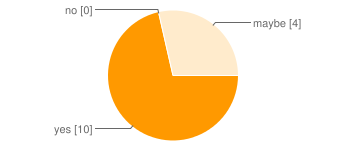
When I decided to delve deeper into the limited pool of knowledge we hold on North Korea, one question stood out: How do the public view this country? So after doing some initial research on this little communist powerhouse, my first blog, I asked the public what they knew. Here is what I found. On a given scale of 1-5 (Where 1 is knowing nothing and 5 is knowing everything, in regards to North Korea.) the SLA community that submitted responses averaged only slightly above a 2. Why is this interesting? Because also in my data I found that almost all of the people taking the survey had: 1. Seen/heard/read multiple, if not an ample amount of news reports about North Korea, and 2. Watched the film The Interview.


These two key points of data answers two questions that I had when releasing this survey.

  1. Was The Interview a source of information about North Korea to the people who had seen the film?


My answer: No, although designed to be a comedy and surely in practice it is, it certainly made North Korea mad, but as for my research it appears to be of zero informative use.


   2. Do news reports actually bring information about North Korea?


My answer: From what I have seen in my survey, apparently no, they do not. This answer surprised me, as I assumed that news reports would bring information, but apparently not useful information.


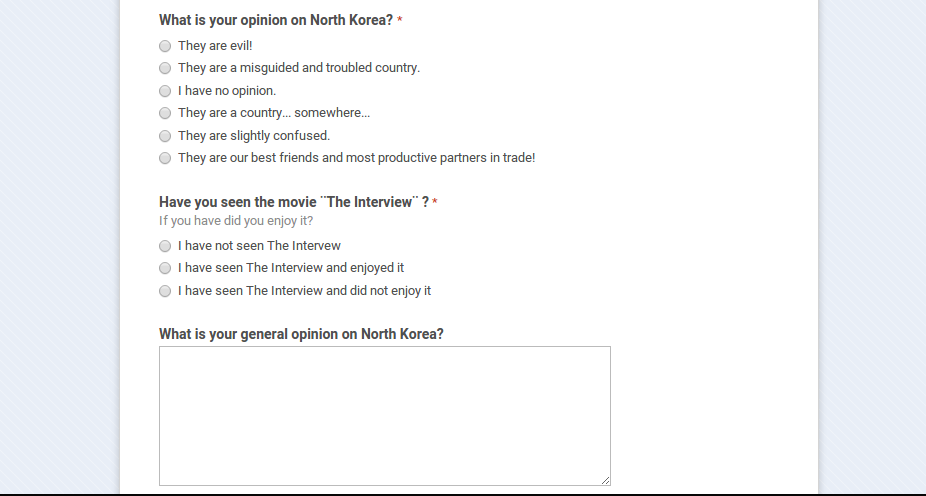
One other question I asked was what people's view on North Korea was:

I gave 6 options with varying degrees of positive or negative views about this country. Surprisingly I found that over 60% of people chose the option ¨(North Korea)Is a misguided and troubled country.¨. I expected people to side more towards an option like ¨They (North Korea) are evil!¨

The last question on my survey was a free response question asking about the takers general opinion on North Korea. I got some interesting answers. One of my favorite answers was ¨Asians man... They're gonna get us.¨. Some of these answers were useful some were… less so. Plenty were truly hilarious and a few actually held little nuggets of knowledge.


Screenshot 2015-05-12 at 10.06.24 AM.png

¨Asians man... They're gonna get us.¨


After seeing how people responded to this survey I saw a vast overall lack of education on the topic(With a few vivid exceptions).  I think for my ¨Change in your world¨ project, I will be informing people about North Korea and how they could influence us(As Americans) in the future.  One thing that this survey certainly brings to light is the reoccurring theme of how people (Or governments!) can take advantage of ignorance of their cause/means and use that to push themselves through the masses of opposition that is shown to more public cases.


My survey results. My annotated bibliography.


Signing off,

Elias


2 Comments

Defeating Dyslexia Stereotypes #2

Posted by Alexa Lahr in English 1 - Giknis - A on Monday, May 11, 2015 at 10:51 pm

In my last blog post I talk a lot about why I am doing my topic on dyslexia stereotypes.  Here is my last blog post.  I was asked a couple of questions from my last blog post that I am able to answer now that I did my original research.  One of the questions asked by Ms. Giknis was “What resources are available for dyslexic students in school?” Well it depends on the school that you go to.  But for instance SLA has Mr. Ames and Ms. Menasion who are special education workers.  They help with children who either have special needs or reading and writing disabilities.  For people who have a learning disability they have to go to a class called study skills where the teacher helps the students with their homework and any work.  At my old school we had a special tutor for dyslexics.  She worked with a company called wilson.  You can read more about the wilson program here.  What I am still wondering about dyslexia is, why does SLA not have a tutor for dyslexics?

Screenshot 2015-05-11 at 10.49.37 PM.png


For my original research I interviewed Mr. Ames one of the special education teachers about what he knows about dyslexia from working with dyslexics.  Mr. Ames has been working with dyslexics for 15 years.  Here is the transcript for the interview.   

Screenshot 2015-05-11 at 10.36.58 PM.png

This helped me understand more about how the stereotypes can affect someone with dyslexia by the stories he told me about students with dyslexia.  A story he told me is one student was really smart and learned things great orally.  But when it came to letters and words he couldn’t identify them.  He used to not be able to identify the letters in his own name. This is because he didn’t know the rules of spelling and reading.  That’s the thing with dyslexia, people think that all it is, is that you see words backward and letters float off the page, but the main thing with dyslexia is that the rules just don't come easy for reading and spelling.  We just have a harder time memorizing the rules.  Another story Mr. Ames told me was there was an amazing students.  This student had straight A’s and got accepted to college.  This is what happens when you don’t give up on yourself even though you have dyslexia.  Some of my personal opinions of how students are treated with dyslexia, is that they are given very low expectations by peers and even teachers and this can cause a student to do very bad in school and give up.  Giving up can cause them to have anxiety attacks or just give up on life.  But the reason why peers and teachers give dyslexics lower standards is because they don’t understand dyslexia.  And that is what my agent of change is going to do.  Its going to inform students and teachers about dyslexia.  And I will teach them the positive outcomes of dyslexia.  Here is some positive outcomes.  So keep tone for my agent of change project and blog post!


Annotated Bibliography


Be the first to comment.

An unfinished story...

Posted by Java Miller in English 1 - Giknis - A on Monday, May 11, 2015 at 10:50 pm

After reading my first blog post, it probably have opened your eyes to realize drug are a major issue in the United States. Drugs are a big part of the reason why our country is in debt. After my last blog post, I have learned that drugs are taken for many reasons. Some of these reasons are curiosity, improvement of athletic performance, or to ease other problems. I also learned that drug abuse is more focused on the consequences of using the drug than how much it is frequently used.  A common myth that people usually think is if treatment didn’t work before, it won't work again. Recovery from drug addiction is a long process that often involves setbacks. Relapse doesn’t mean that treatment has failed or that you’re a lost cause. Rather, it’s a signal to get back on track, either by going back to treatment or getting use to the treatment approach. If you are worried that a friend or family member is using drugs and at risk of becoming addicted, you should try to get them help as soon as possible.


For my original research, I want to visit a rehabilitation center to observe what are the daily activities people do at these centers. I also want to ask a few questions such as how many come in for help a day, or yearly.  I think this would of helped me understand my issue better because It would of showed me how frequently people are seeking for help in the areas near us. This observation would of showed me that drugs are a major part of people's lives and it takes a lot to get rid of them. My personal opinions on drugs are why continue to make them if they cause so much harm to human beings. Also, I think the United States need to enforce stricter laws on drugs because now a days I walk the streets of my neighborhood and see young people around my age or even younger smoking blunts, or on the corners selling illegal drugs. I still wonder what is in the drugs that make people do crazy things, or how can the bad drugs such as heroin or cocaine be used in a good way?


I was unable to do my original research due to printing and faxing problems, but I will later compare my predictions to the actual observation. For my Agent of Change, I am planning to find maybe two people who have recovered from drug abuse to come in and talk to my advisory. The two people have to be willing to share their experience and they have to work with an organization for safety purposes. They will talk about their experience and maybe persuade young people not to use drugs. Also, they will answer any question that are asked from the students in my advisory. However, If any other advisories wanted to join maybe they could. Keep out on the part #2 of my second blog post.

This is also one of my close friends that is smoking. She is currently in high school. She is 15 years old and suprisingly gets high grades in high school. She frequently has been smoking on the daily basis with a group of friends. 

Here is a picture of a person close to me that is smoking. This person is currently still in high school and has been smoking since

the age of 12. This person tends to have bad grades in school and rarely attends school.

Annotated bibliography

FullSizeRender (3)
FullSizeRender (3)
This is also one of my close friends that is smoking. She is currently in high school. She is 15 years old and suprisingly gets high grades in high school. She frequently has been smoking on the daily basis with a group of friends
IMG_3509
IMG_3509
Be the first to comment.

Your Life Can Change in an Instant

Posted by Kaamil Jones in English 1 - Giknis - A on Monday, May 11, 2015 at 10:47 pm

images (2)

For my Passion, Information and Change project I chose pediatric cancer. In my first blog post I talked about why I chose to pursue childhood cancer. I also talked about the scary statistics that unfortunately pierce the hearts of children, teens and their family every single day.


For my original research I decided to do an interview. When I recieved my project I knew exactly what I wanted to do for my original research. That was to interview the student at SLA Beeber who I introduced you to in my first blog post. I didn't want to Direct Message her but after a few emails and phone calls I was able to schedule an interview for the following Friday.


All week I was so eager to meet someone who had gone through so much. The Thursday before the interview I was preparing my questions and thinking of what I should say and what I shouldn't; I was scared the conversation would be very emotional so I had disclaimers.


It was finally interview day and I decided to leave school early so I could get to the interview on time. When I got to the Starbucks on the campus of Saint Joseph's University I was scared the girl I was meeting was going to be in bad spirits.


As I sat and waited for the girl to enter the Starbucks I looked at some videos of other people interviewing cancer patients then, about two minutes into my first video the young lady by the name of Aliya Rouine walked into the door.


When Aliya came over to me and hugged me she said ¨oh this is awkward¨. A huge weight had been lifted off my shoulders. She was smiling and laughing with me and her friend, whom she had brought for support. She was a normal teenager.


Aliya story starts in late December 2014 when she became very ill but didn't know what it was, so she went to the doctor to go get it checked out. The doctor thought she had the flu until a few weeks later she began to have trouble breathing and went to the hospital where they told her she had pneumonia. Since pneumonia is a symptom of Acute Lymphoblastic Leukemia (A.L.L) they tested her for it. Sadly the results came back positive.


Aliya just like anyone who was told they had cancer said she was really scared. One thing that stuck with me was that she was more happy she knew what was making her sick. For me, I wouldn't want to know that something inside me can take over my body.


images (3)

I was very interested in how she changed and the people around her. Aliya said the people around her have become nicer to her. She said people she don't even know say hello to her because ¨maybe they feel bad¨. She also told me that her family has become closer. Not only have her family become closer but her family and friends have been very supportive.


Since she was diagnosed she said she became more grateful and sympathetic towards people and what they are going through. I asked Aliya what she thought about people who take things for granted and she said ¨ they need to think harder about what they are thankful for because you're life can change in an instant¨.


Over 35,000 children are currently being treated for cancer, sadly 25% of those children will die. Thankfully, Aliya's form of cancer is treatable. Aliya will be finished with her chemotherapy in October but will have to take a pill everyday for the next few years. Researchers have been on a great road to curing A.L.L, they have raised survival rates from 4 percent 50 years ago to 94 percent today.

Cancer not only affects you, but it affects your family emotionally and financially. Families are usually financially depleted.

This interview made me learn that people who are sick are just like everyone else. I learned to not take things for granted and to cherish every single moment because no matter how old you are your life can change in an instant.


To listen to my Full Interview Click Here!

To see My Annotated Bibliography Click Here!


1 Comment

​ The City Of?...

Posted by Madison Harris in English 1 - Giknis - A on Monday, May 11, 2015 at 10:34 pm


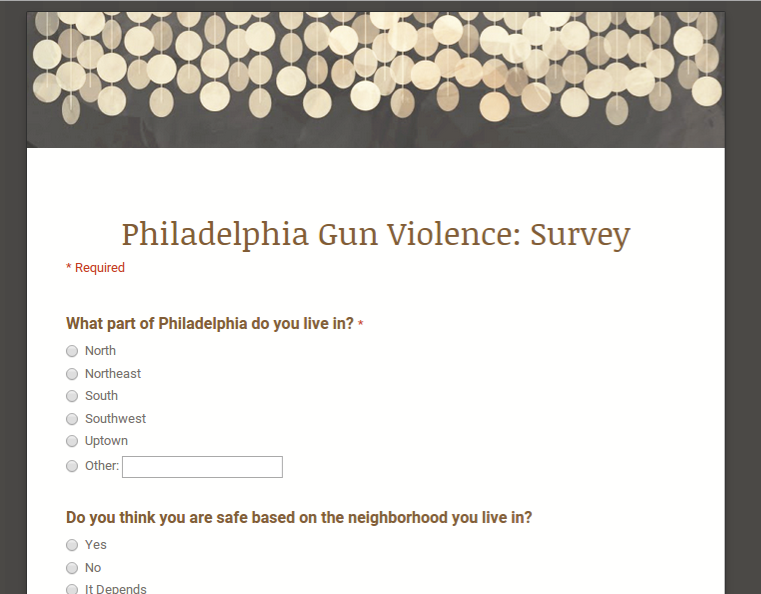
After reading and seeing many statistics for gun control in Philadelphia in my opening Blog Post, I began opening my eyes a little more and grasping all the information I could get. I started to think more about how much gun violence is going on in Philadelphia and did a little bit more research  .  Did you know that Philadelphia is the most violent of the ten largest cities in America? Also, that a Philadelphian is four times most likely to get shot than anywhere else? With that being said, I had further questions on which areas of Philadelphia where people think they are safe as where to others some of them may be dangerous. In my quest to gather more information, I chose to do a survey (see below)..  

Screenshot 2015-05-11 at 7.00.31 PM.png        

I asked three questions based on the part of Philadelphia the participants lived in. After asking where the lived, I wanted to know the following: if the participants thought they were safe in their respective neighborhood, and did they know anyone that was injured by gun violence within the past two years? Some of the stories I read was horrific and terrifying. I wasn’t sure if anyone wanted their story to be read so I made it unknown because this is a very soft topic for people to talk about and I respect that. But, I decided to make a graph based on the responses I received.  

The responses told me a story about our city. Out of the 37 participants that completed the survey, 43% reported that they felt safe in their neighborhood in light of the gun violence in the city.  But on the flip side of that, 52% admitted that their safety in their neighborhood depends, and 5% confirmed that they did not feel safe in their neighborhood. The majority of those surveyed feel that their safety in their neighborhood is always in jeopardy, I feel like that poor gun control is the reason for these Philadelphians to feel unsafe. On Saturday, April 27, 2015, a protest was held in South Philadelphia.   Several dozen protesters led by the Washington-based Brady Campaign and Center to Prevent Gun Violence singled out Firing Line Inc. for having sold, over the years, dozens of guns that later were used in crimes or in some other way ended up in the possession of law enforcement authorities. As I said in my first blog, better laws for gun control is where we should start to help people feel safe in their neighborhoods. Not feeling safe in our neighborhoods makes people not trust each other, and good relationships are not formed.  My dad often talks about how when he was growing up that all the people in his neighborhood knew each other, talked, and shared different items.  But in today’s climate, there is no trust because good relationships are not formed.  Children no longer play outside in front of their homes because there are  too many stories of children being shot in crossfire. Guns bring about fear.

In conclusion, I feel like we need to do better with knowing who has guns legally, and then find those that have them illegally.  Laws alone will not do this, but we will need help from regular people that care about this problem and the safety of the communities. With doing all the research and looking deeper into my topic, I want to make this known to everyone in Philadelphia that there needs to be a change. I want everyone to get the word out about it and maybe it will go viral so that Philadelphia will have their voice heard. I look forward on continuing my project and in making Philadelphia a place you want to be, and where you can be safe.

If you would like to read my first Blog Post click here! 

To read my bibliography click here!


Be the first to comment.

Broken Dreams From Too Many Screens

Posted by Laith Abuharthieh in English 1 - Giknis - A on Monday, May 11, 2015 at 10:29 pm

After learning the few of many dangerous effects technology has on people from my first blog post, I decided to take my research even deeper than I already have and started thinking about how technology is not only affecting elders, it’s also affecting today’s youth. I realized that the research I’ve been looking for was right there in front of me... Literally. I realized that I attend a technology based school where teenagers are using technology everywhere. In the halls during lunch, their classrooms, almost in every room in the building. So I decided to take an action and observe a few of my friends without them knowing and I found out that teenagers use more technology than they realize. During this study I took a picture of the table that I was sitting at about every 20 minutes, regardless whether if they were using technology or not I took the picture anyway.

Post 1
Post 1

As I took my photos I started to notice that there wasn’t much conversation or physical contact. Everyone was either doing homework, playing a game, or texting. If you didn’t notice that Alex (on the right) and Ijustice (In the middle) are both using a laptop, but are also on their cell phones. This can cause a severe neck and wrist injury. I started to dig deeper into the topic and finally found a website that shows statistics and points out the main points on how technology ruins your body. After looking down for about an hour or so, your posture starts to weaken your shoulders drop and you start getting neck pains. These pains are called Repetitive Stress Injuries, also known as RSI’s.  


Post #2
Post #2

RSI’s are Known for when people use too much technology such as phones, laptops etc and start to get injured from them. Some injuries known as carpal tunnel, which is swelling inside a narrow "tunnel" formed by bone and ligament in the wrist; the tunnel surrounds nerves that conduct sensory and motor impulses to and from the hand, leading to pain, tingling, and numbness. This happens to be very painful, and about 3% of women and 2% of men will be diagnosed with carpel tunnel in their life time. If you think about it that’s only one of the many injuries caused by technology. Technology doesn't only harm you physically but also mentally. I read an article of psychology that explains how technology is changing the way children these days think. ‘’There is also little doubt that all of the new technologies, led by the Internet, are shaping the way we think in ways obvious and subtle, deliberate and unintentional, and advantageous and detrimental the uncertain reality is that, with this new technological frontier in its infancy and developments emerging at a rapid pace, we have neither the benefit of historical hindsight nor the time to ponder or examine the value and cost of these advancements in terms of how it influences our children’s ability to think’’ what he means by this is that with all this new technology that’s evolving or advancing so rapidly that it’s taking over the minds of children which is affecting their abilities to think.

After doing all my research and observing my fellow students I realized that I needed to make a difference as if I were an agent of change. Although I am not sure what I will be doing for my part if change I know what message I am trying to give out.  By doing that I would also like to raise awareness so I can influence as many people as I can to use a less amount of technology after I have finished my project.

Click here for my first Blog post.

Click here for my Annotated Bibliography.


2 Comments
98 posts:
← Prev
  1. 1
  2. 2
  3. 3
  4. 4
  5. 5
  6. 6
  7. 7
  8. 8
  9. 9
  10. 10
Next →
RSS

ENG1-017

Term
2014-15

Other Websites

Launch Canvas

Blog Tags

  • English 2
  • You and the World 2
  • Giknis 2

Teacher

  • Amal Giknis
Slate (skeleton-v3 PHP 8 prototype) · Location: 1482 Green St · Shipping: 550 N. Broad St Suite 202 · Philadelphia, PA 19130 · (215) 400-7830 (phone)
×

Log In